The FDA Medical Device File (DHF, DMR, DHR, Market Authorizations) and EU MDR Technical Documentation

Description
One of our most popular webinars, updated with the latest FDA and EU requirements. As U.S. companies go global, they must meet different product design documentation, but with key similarities The cGMP's mandate Design Control and the Design History File (DHF). These terms are changed under the new QMSR. In order to sell globally, the EU requires the CE mark, a QMS, and a Technical File. These have different names that their US FDA counterparts, but they have many similarities. Under harmonization, the TF/D is moving in the direction of the DHF. And the DHF is adapting to some of the features of the TF/D. And there are other FDA required documents that are virtually identical in purpose and in content. How / where do the DMR and DHR fit? Being aware of the similarities and differences can further concurrent development and/or updates to both.
This webinar will examine the existing and proposed requirements for the FDA's DHF -- including its derivative documents, the DMR and DHR. It will consider the MDD's TF/DD requirements, and evaluate the documents' differing purposes / goals. Required and desirable contents will be discussed. Also considered: Areas requiring frequent re-evaluation / update; Similarities and differences; Future trends; Typical DHF Table of Contents; Technical File or Design Dossier Table of Contents; The importance and usefulness of the "Essential Requirements"; Structure of the "Declaration of Conformity"; self-declaring or N-B reviewed; Parallel approaches to development. Finally, the differing approaches to file audits by the FDA and the Notified Body will be discussed.
Areas Covered in the Session :
- The U.S. FDA's New QMSR Document Term Changes
- The Design History Files (DHF)
- The EU MDR and the Technical Documents/File
- Design Control vs. a Product 'Snapshot in Time'
- DHF "Typical" Contents
- The DMR and DHR / Lot / Batch Record
- TF / DD Expected Contents
- Parallel Approaches to Documentation - Teams
- Future Directions
- FDA and NB Audit Focus
Who Should Attend:
- Quality Assurance Departments
- Research and Development Departments
- Regulatory Affairs Departments
- Manufacturing Departments
- Engineering Departments
- Operations Departments
- Production Departments
- Supplements
- Marketing Departments
- Documentation Departments
Course Director: JOHN E. LINCOLN
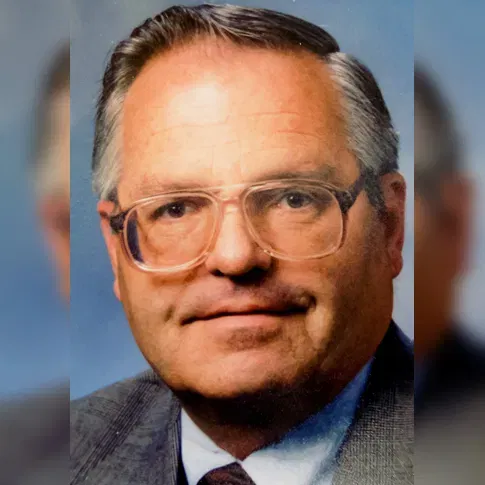
John E. Lincoln, is Principal of J. E. Lincoln and Associates LLC, a consulting company with over 40 years experience in U.S. FDA-regulated industries, 30 of which are as an independent consultant. John has worked with companies from start-up to Fortune 100,worldwide. He specializes in quality assurance, regulatory affairs, QMS problem remediation and FDA responses, new / changed product 510(k)s, process / product / equipment including QMS and software validations, ISO 14971 product risk management files / reports, Design Control / Design History Files, Technical Files. He's held positions in Manufacturing Engineering, QA, QAE, Regulatory Affairs, to the level of Director and VP (R&D). In addition, John has prior experience in military, government, electronics, and aerospace. He has published numerous articles and book chapters (including 5 chapters in 2 RAPS V&V textbooks) in peer reviewed publications, conducted workshops and webinars worldwide. John is a graduate of UCLA.